
The Renters’ Rights Act 2025, which came into force on 1 May 2026, marks a long-overdue shift in England’s housing system. The results of decades of tireless campaigning, these reforms represent a meaningful step towards safe and secure homes for the 11 million people who rent privately across the country.
The Act introduces new rights for private tenants and places greater obligations on landlords. Crucially, it abolishes Section 21 “no-fault” evictions, meaning landlords must now provide a legitimate legal reason, a “ground for possession”, to evict a tenant. Rent increases will be limited to once per year. Advance rent payments will be capped, and offers above the advertised prices will be banned.
These changes begin to rebalance power. They give renters more security: the ability to put down roots, plan for the future, and speak out about unsafe conditions without fear of retaliatory eviction. This matters because housing is health. Insecurity, unaffordable rents, and poor conditions drive stress, anxiety, and long-term ill health.
Yet even as these reforms approach, many landlords have issued Section 21 notices, forcing tenants out in order to re-let at higher prices. While still legal, these actions expose the deep injustices of the current system, where homes are treated as financial assets rather than the basis of a healthy life. They underline just how urgently change is needed.
But this legislation is only a first step.
Enforcement will fall to local councils, yet many are already failing to use existing powers and uphold current laws. Without proper resourcing, these new rights risk existing only on paper. Questions also remain about implementation timelines.
Most fundamentally, the Act does not tackle the root causes of the housing crisis. Rents remain unaffordable for many, despite limits on increases. These reforms also do not offer protections to those in social housing and they fail to consider the intersecting injustices faced by migrant, racialised and ethnic minority communities, who are often pushed into the most precarious, unsafe housing.
Health justice demands more.
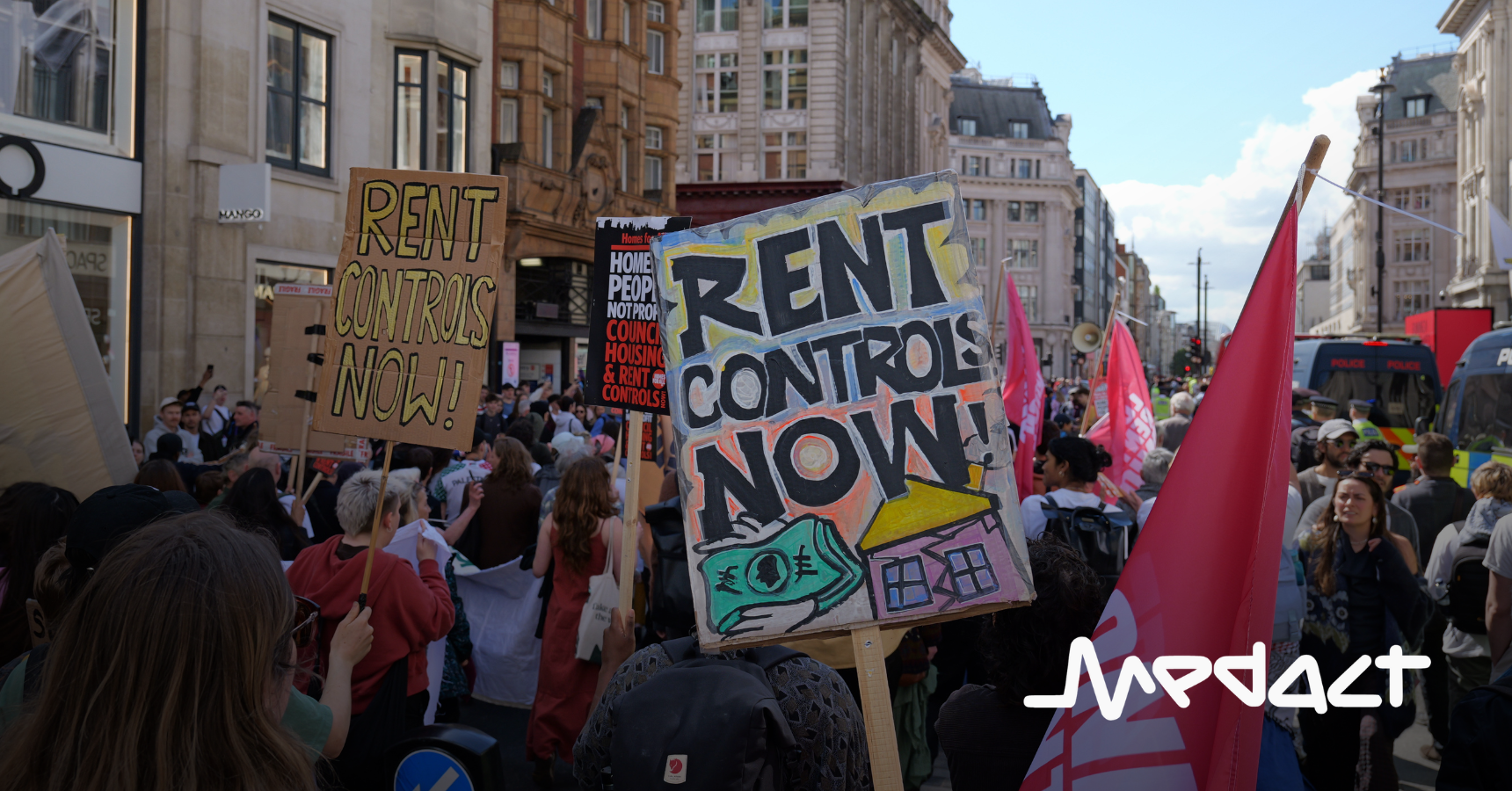
A fair housing system is one where all not some can have a safe, secure, accessible and genuinely affordable home. We need to go further, introducing meaningful rent controls, ending exploitative practices, and mass building council houses.
Alongside the Act, there are early signs of further movement. The government has announced it will bring forward an overhaul of the right to buy, which could allow us to better protect and rebuild social housing. However, messaging on rent control remains contradictory, with early indications of support later dismissed. While these developments remain uncertain and are limited in scope, they suggest growing recognition that deeper intervention is needed.
The progress we see today exists because of the hard labour of everyday people across the country building local organising power, and demanding change. Recent successes at Barton House in Bristol and Nags Head Estate in London show how tenants and healthcare workers united to create change. That same organising, rooted in communities and connected across movements, will be essential to building a healthier world.
